Flexibility Isn’t Weakness, It’s Wisdom: Butler Backs Locally-Informed Climate Planning
Flexibility Isn’t Weakness, It’s Wisdom: Butler Backs Locally-Informed Climate Planning
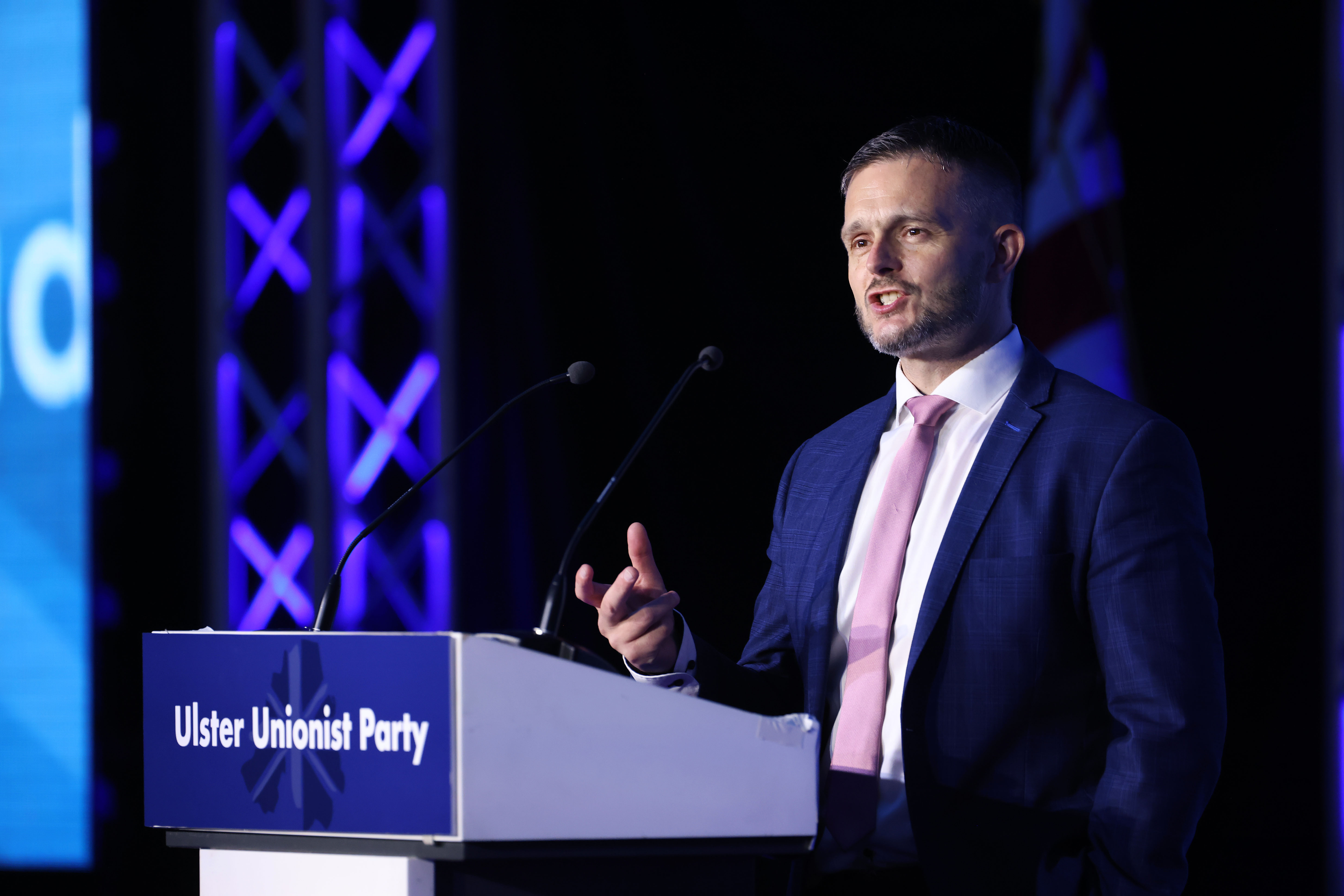
Agriculture, Environment and Rural Affairs spokesperson, Robbie Butler MLA, has welcomed the recent change of pace and tone by the European Commission and move to adopt a more pragmatic and flexible climate strategy, as it sets a new 2040 target to reduce net greenhouse gas emissions by 90%. But he says Northern Ireland must do more than follow. It must lead by recognising the central role of rural communities, food producers and land managers in delivering balanced and sustainable climate action.
Mr Butler is now calling for the creation of a Rural Climate and Energy Roadmap, co-designed from the ground up with rural communities, and built around cross-departmental leadership from day one.
Mr Butler said, “What the EU is doing now is just common sense; aligning ambition with realism and respect for local delivery. We shouldn’t wait for Brussels to show us that. Northern Ireland has the people, the knowledge and the capacity to lead. But to do that, we need a joined-up, rural-focused plan, one that brings energy, environment and agriculture together.
“While DAERA’s recent signs of flexibility in the NAP review and the roll-out of farm sustainability support are steps in the right direction, these isolated efforts need to be part of something bigger, longer-term, more strategic and not a flash in the pan.
“We’ve already shown that when DAERA listens, things can move in the right direction. But this can’t be piecemeal. We need a roadmap that listens, learns, and evolves, one that’s built with those who are actually delivering change on the ground.”
“The roadmap must be co-developed through existing stakeholder bodies, farming networks, rural community representatives, energy experts and environmental NGO. But any failure to plan properly risks repeating the same mistakes as in the past.
“The RHI debacle happened because we had a policy that wasn’t designed with or tested by real users. The A5 delays are a warning about what happens when communities aren’t included early. Let’s not make those mistakes again. Let’s build trust, bring people in from the start, and get this right.”
Mr Butler also called for the roadmap to recognise the growing role of anaerobic digestion (AD) as a win-win solution, turning farm and food waste into renewable energy, while cutting emissions and boosting local resilience.
“Anaerobic digestion is exactly the kind of innovation rural NI can lead on, managing waste, producing clean energy, and supporting circular, climate-smart farming. But it needs policy certainty, joined-up thinking, and the right scale of support.”
On food security, Mr Butler warned against false choices between food production and climate action, arguing that the two must go hand-in-hand.
“We produce some of the best food in the world, to the highest standards. The agri-food sector is a cornerstone of our rural economy. Food security isn’t separate from climate action; it’s a central part of it. A resilient local food system protects people, jobs and the environment.
“Therefore, reviewing and adjusting policy in light of lived experience and emerging evidence should be welcomed, not criticised.
“Reviewing, assessing and adjusting climate ambition shouldn’t be seen as weakness. It’s the mark of good government. Everyone is part of this conversation, even if we speak different languages, use different terms, or work in different sectors. The goal is the same: a secure, sustainable, and fair future. Let’s lead it with confidence, common sense and cooperation.”